£0.00


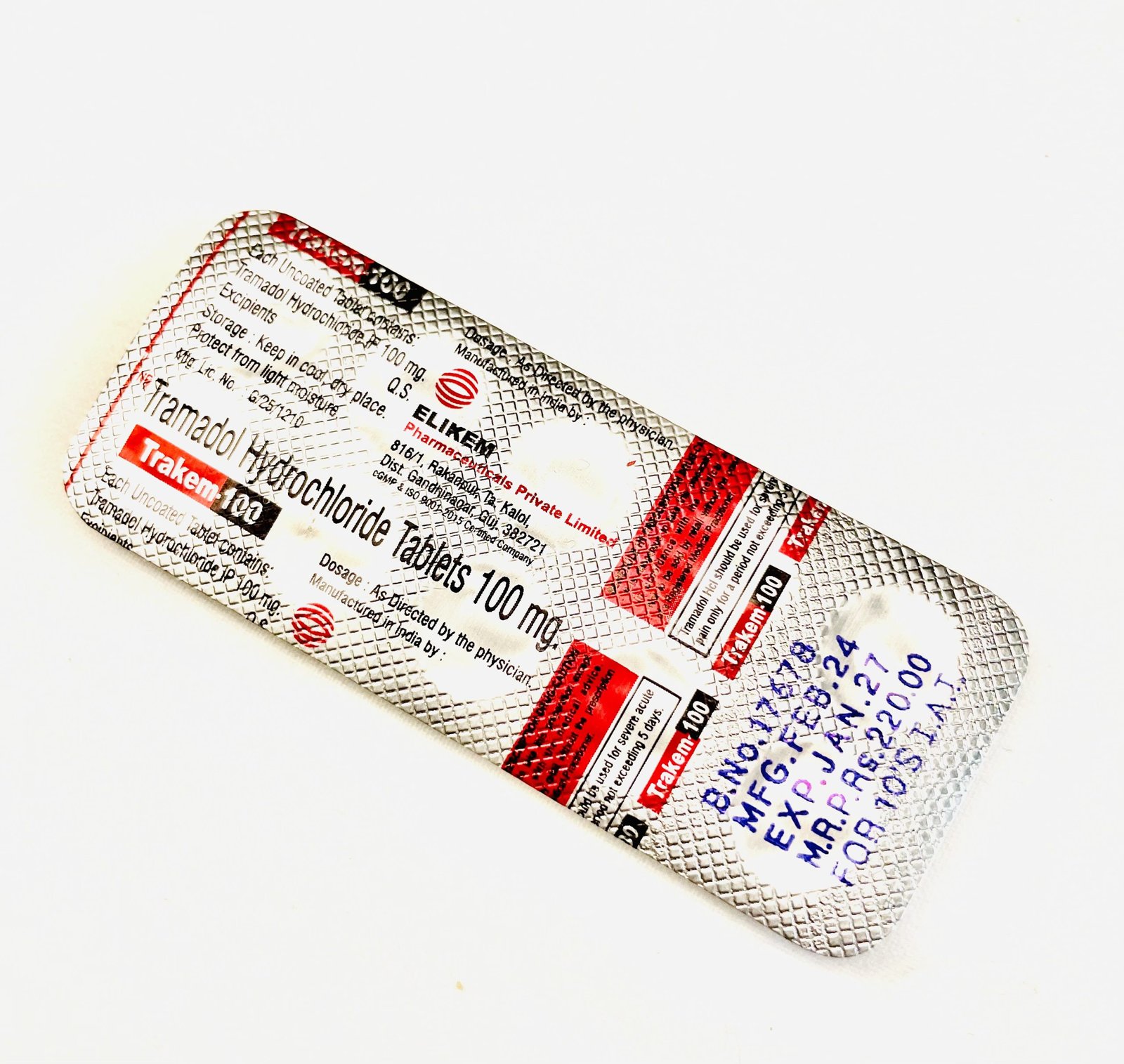
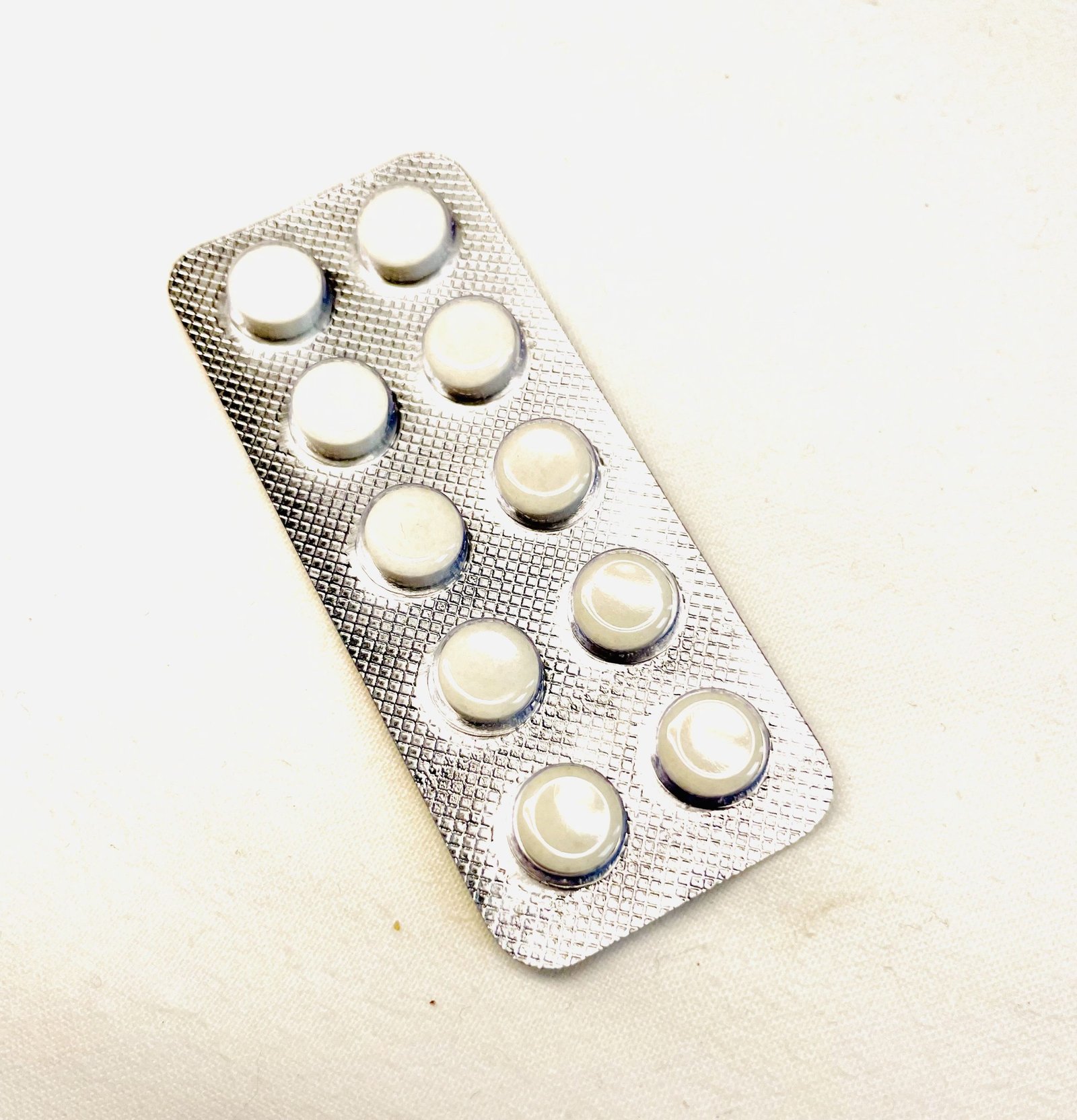
Tramadol 100MG

Description
What Is Tramadol?
A prescription-only drug called tramadol is used to treat moderate to severe pain. Although it is a member of the opioid analgesic class, it functions somewhat differently from conventional opioids, making it a popular choice for some acute and chronic pain conditions where more potent narcotics could be considered excessive.
When over-the-counter painkillers like ibuprofen or acetaminophen are insufficient and a patient’s condition does not call for a stronger opioid, doctors usually prescribe tramadol. It is seen as a step up in an organized pain management approach rather than a first-line treatment for pain.
How Tramadol Works
Tramadol differs from traditional opioid medicines due to its dual mode of action. Its effectiveness and distinct risk profile can both be explained by an understanding of how it operates.
Opioid Receptor Activity
Tramadol binds to mu-opioid receptors in the brain and spinal cord, just like other opioids do. The body’s natural pain-regulation system includes these receptors. They reduce the perception of pain signals passing through the central nervous system when active. Tramadol has a lower, but not completely nonexistent, risk for abuse since its binding affinity at these receptors is smaller than that of morphine or oxycodone.
Serotonin and Norepinephrine Reuptake Inhibition
Inhibiting the reuptake of two important neurotransmitters—serotonin and norepinephrine—is the second part of tramadol’s action. Tramadol improves the brain’s descending pain inhibition pathways by prolonging the activity of these substances in the synaptic space, so increasing the body’s capacity to attenuate pain signals.
This dual action means tramadol is particularly effective for neuropathic (nerve-related) pain, where pure opioids often fall short.
Metabolism and Active Metabolite
In the liver, tramadol is transformed into its active metabolite, O-desmethyltramadol (M1), mostly by the CYP2D6 enzyme, while CYP3A4 also plays a part. Compared to tramadol itself, this metabolite is far more effective at opioid receptors. Some people metabolize tramadol more quickly or more slowly than others due to genetic variance in CYP2D6 activity, which influences both side effect risk and efficacy. This is one of the reasons why various people’s tramadol dosages are not totally predictable.
Types of Tramadol
Tramadol is available in two main formulations, each suited to different clinical scenarios.
Immediate-Release (IR) Tramadol
After consumption, immediate-release tramadol usually starts working 30 to 60 minutes later and lasts for four to six hours. It is frequently recommended for acute pain, such as discomfort after surgery, an injury, or a dental procedure, where the objective is to provide temporary, as-needed relief. Typically, doses are administered every four to six hours.
Extended-Release (ER) Tramadol
The purpose of extended-release formulations is to provide continuous, round-the-clock pain relief. They lower the frequency of dosage and maintain more stable blood levels by releasing the medicine gradually over a 24-hour period. For chronic pain disorders that require constant coverage throughout the day, this type is more appropriate.
Tramadol Dosage Available
Tramadol 50mg
Tramadol 100mg
50mg vs. 100mg Tablets
The most typical dosage for tramadol IR pills is 50 mg. There are three strengths of extended-release tablets: 100 mg, 200 mg, and 300 mg. The degree of pain, the patient’s age, liver and kidney function, and past opioid exposure all influence the right dosage.
Medical Uses of Tramadol
Acute Pain
For the temporary treatment of moderate pain after surgery, dental procedure, or an injury, tramadol is commonly recommended. It offers efficient relief in these situations without causing the same level of respiratory depression as heavier opioids.
Chronic Pain
Tramadol may be a component of a long-term treatment strategy for people with persistent pain issues, such as osteoarthritis, musculoskeletal disorders, and chronic back pain. For reliable pain management in these situations, extended-release formulas are usually recommended.
Neuropathic Pain
Tramadol has proven to be beneficial against nerve pain due to its reduction of serotonin and norepinephrine reuptake. It is utilized in diseases like fibromyalgia and diabetic neuropathy, when the pain is searing, shooting, or tingling instead of the usual aching that comes with tissue damage.
Arthritis
Osteoarthritis pain may occasionally be treated with tramadol, especially in people who cannot take NSAIDs because of gastrointestinal or cardiovascular issues. Although it effectively reduces the perception of pain, it does not reduce inflammation.
Post-Surgery Recovery
Tramadol offers analgesic covering throughout the initial healing phase after surgical treatments. In order to reduce total opioid exposure, it is frequently used in conjunction with non-opioid drugs as part of a multimodal pain management approach.
Tramadol Dosage Guide
Dosing must always be individualized by a healthcare provider based on the patient’s specific circumstances.
Standard Adult Dosage
The usual first dosage for immediate-release tramadol is 50 mg every 4 to 6 hours as needed for discomfort. Some doctors start patients at 25 mg daily and progressively titrate upward to improve tolerability. Adults should take no more than 400 mg of IR tramadol per day.
For extended-release tramadol, the starting dose is typically 100mg once daily, with gradual increases as needed. The maximum daily dose for ER formulations is generally 300mg per day.
Elderly Patients
Due to slower drug clearance and higher sensitivity to CNS-active medicines, adults over 75 have a reduced maximum daily cap (300 mg/day for IR formulations). Additionally, dose intervals could be prolonged.
Kidney and Liver Impairment
Patients with significant kidney disease (creatinine clearance below 30 mL/min) should take tramadol less frequently — typically every 12 hours rather than every 6. For those with severe liver disease, tramadol is generally not recommended due to unpredictable metabolism and accumulation risk.
How Long Does Tramadol Take to Work?
- Onset: Immediate-release tramadol typically begins working within 30 to 60 minutes.
- Peak Effect: Maximum pain relief occurs around 2 to 3 hours after taking an IR dose.
- Duration: IR tramadol lasts approximately 4 to 6 hours; ER formulations provide coverage for up to 24 hours.
Individual variation in metabolism means some people feel effects sooner or later than these averages.
Side Effects of Tramadol
Tramadol’s side effect profile reflects both its opioid activity and its effects on serotonin and norepinephrine systems.
Common Side Effects
The most frequently reported side effects include:
- Nausea and vomiting — particularly when starting treatment or after dose increases
- Constipation — a near-universal opioid effect resulting from slowed gut motility
- Dizziness and lightheadedness — especially when standing up quickly
- Drowsiness and fatigue — dose-dependent sedation is common
- Headache
- Dry mouth
Many of these effects diminish as the body adjusts over the first 1–2 weeks of therapy.
Serious Side Effects
Less common but clinically significant effects include:
- Seizures — tramadol lowers the seizure threshold, particularly at higher doses or in patients with a history of epilepsy. This risk increases significantly with antidepressant use.
- Serotonin syndrome — a potentially life-threatening reaction caused by excessive serotonin activity. Symptoms include rapid heart rate, agitation, muscle twitching, high fever, and confusion. Risk increases when tramadol is combined with SSRIs, SNRIs, or MAOIs.
- Respiratory depression — while less pronounced than with stronger opioids, high doses can suppress breathing, particularly in elderly patients or those with sleep apnea.
Emergency Warning Signs
Seek immediate medical attention if you experience: difficulty breathing, extreme drowsiness or inability to wake, blue lips or fingertips, rapid or irregular heartbeat, fever with muscle rigidity, or seizures.
Drug Interactions
Tramadol has a wide range of clinically important interactions.
Alcohol
Combining tramadol with alcohol significantly increases sedation and the risk of respiratory depression. This combination should always be avoided.
Antidepressants (SSRIs, SNRIs, TCAs)
SSRIs and SNRIs (like sertraline, fluoxetine, and venlafaxine) interact with tramadol’s serotonergic activity, raising the risk of serotonin syndrome. This is one of the most important interactions to discuss with a prescriber.
Benzodiazepines and CNS Depressants
Medications such as diazepam, alprazolam, or sleep aids compound tramadol’s sedative and respiratory effects. The FDA has issued warnings about this combination, which has been associated with serious harm and death.
MAO Inhibitors (MAOIs)
Tramadol is contraindicated with MAOIs. This combination can trigger severe, potentially fatal serotonin syndrome or seizures. A 14-day washout period is required after stopping an MAOI before starting tramadol.
CYP Enzyme Interactions
Drugs that inhibit CYP2D6 (such as some antifungals and antiretrovirals) can raise tramadol blood levels and alter the ratio of active metabolite, changing its efficacy and risk profile.
Dependence, Tolerance & Withdrawal
Tolerance
Some people develop tolerance after using the medication consistently for a few weeks; the body adjusts and the same dosage eventually results in less pain alleviation. Dosage escalation may result from this, raising the possibility of adverse consequences and dependence.
Dependence and Addiction Risk
Regular use of any opioid medicine, including tramadol, can lead to physical dependence. Although they can coexist, this is not the same as addiction. Physical dependence indicates that the body has become accustomed to the drug’s presence and will respond if it is suddenly stopped. Compulsive drug-seeking behavior in spite of harm is a feature of addiction.
Tramadol’s Schedule IV classification reflects a real, though moderate, abuse potential. Patients with a personal or family history of substance use disorder require careful monitoring.
Withdrawal Symptoms
Stopping tramadol abruptly after prolonged use can trigger withdrawal, which may include:
- Anxiety, restlessness, and irritability
- Sweating and chills
- Muscle aches and pain
- Nausea, vomiting, and diarrhea
- Insomnia
- In some cases: hallucinations and severe mood disturbance (more common with tramadol than other opioids, due to its serotonergic properties)
Tapering Safely
Tramadol should never be stopped suddenly without medical supervision to prevent withdrawal. By progressively lowering the dosage over a few weeks, a tapering regimen enables the body to adapt. The length of time the patient has been taking the medication and the dosage determine how quickly it will taper down.
Overdose Recognizing
Tramadol overdose is a medical emergency. It can occur through intentional misuse, accidental double-dosing, or when combined with other CNS depressants.
Symptoms of Overdose
- Extreme sleepiness or unresponsiveness
- Slow, shallow, or stopped breathing
- Blue or purplish lips and fingernails (cyanosis)
- Pinpoint pupils
- Limpness
- Seizures
Special Populations and Precautions
Pregnancy
Tramadol use during pregnancy carries risk of neonatal opioid withdrawal syndrome. It should only be used during pregnancy when clearly necessary and under close medical supervision.
Breastfeeding
Tramadol and its active metabolite pass into breast milk. Due to variable CYP2D6 metabolism, infant exposure is unpredictable and potentially dangerous. Breastfeeding is generally not recommended while taking tramadol.
Children
Tramadol is not recommended for children under 12, and should be avoided in adolescents aged 12–18 who are obese or have breathing problems, as this group is at higher risk of respiratory depression.
Patients with Epilepsy
The seizure-lowering threshold associated with tramadol makes it a cautious choice for patients with a seizure disorder. If tramadol is necessary, anti-epileptic medications may need adjustment.
Where Buy Tramadol 100mg Online in UK
To guarantee safe and dependable access to prescription pain relief, purchase Tramadol 100mg online in the UK from a reputable and regulated pharmacy. For moderate to severe pain disorders, such as arthritis, nerve pain, chronic back pain, and recuperation from surgery, 100 mg of tramadol is frequently recommended. Online pharmacies are preferred by many UK patients because to its speedy prescription processing, discreet delivery, and ease of use.
Additional information
| Quantity | 10 pills, 100 pills, 120 pills, 150 pills, 180 pills, 20 pills, 200 pills, 240 Pills, 280 pills, 30 pills, 300 pills, 50 pills, 80 pills |
|---|




Reviews
There are no reviews yet.